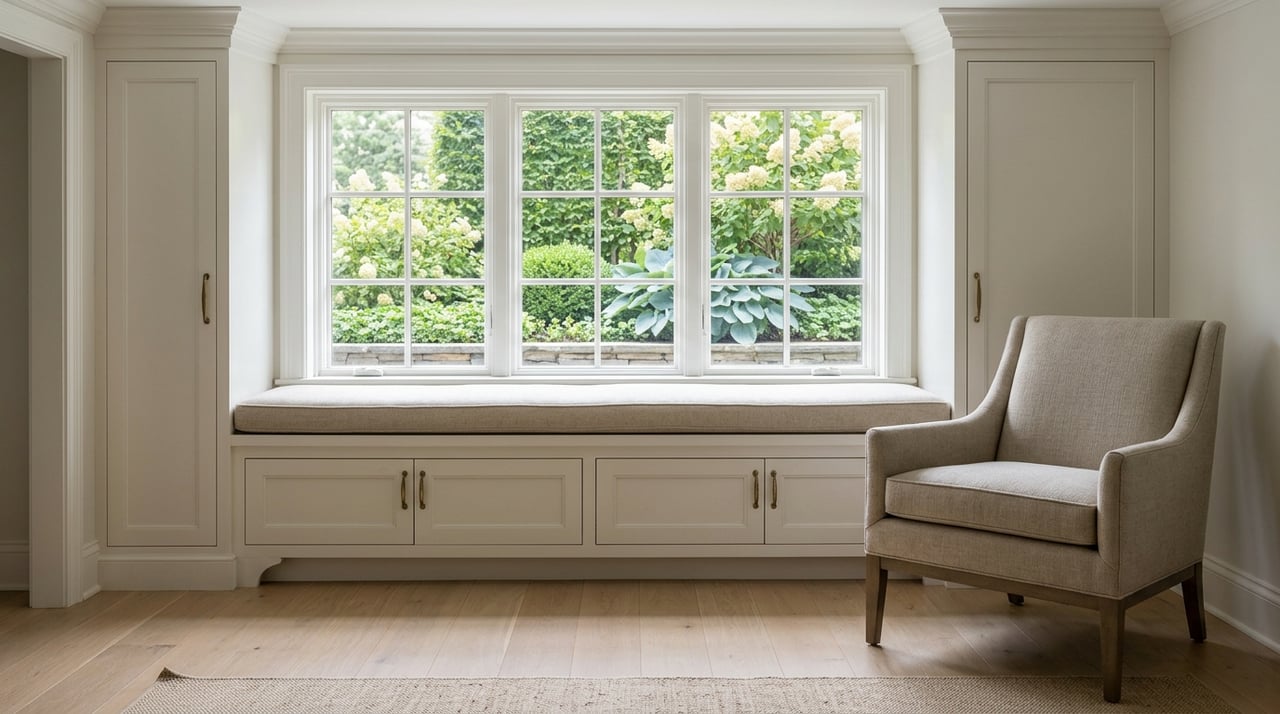
Downsizing in Princeton NJ: Your Smaller Home Choices
May 7, 2026
May 7, 2026
Thinking about leaving your larger home in Princeton, but not ready to leave the life you’ve built here? You’re not alone. For many homeowners, downsizing is less about giving something up and more about gaining simplicity, flexibility, and a home that better fits this next chapter. If you are weighing smaller home options in Princeton, this guide will help you understand what choices you have, what costs to watch, and how to plan your move with confidence. Let’s dive in.
Princeton is a market where downsizing can be a practical financial decision as well as a lifestyle one. The Census Bureau reports a median owner-occupied home value of $1,050,600 in Princeton, along with median monthly owner costs of more than $4,000 with a mortgage and more than $1,500 without one. Those numbers can push long-time owners to ask a simple question: does your current home still fit the way you want to live?
This can be especially relevant if you have owned your home for years and no longer need the same amount of space. National seller data cited in the research report shows the typical home seller is 64 years old, has owned their home for 11 years, and often uses proceeds from a previous sale to finance the next purchase. Common reasons for moving include retirement, wanting to be closer to friends or family, or simply having a home that feels too large.
In Princeton, downsizing often means staying in the community while reducing upkeep. With 77.0% of residents living in the same house one year ago, this is a town where people tend to put down roots. That makes a smaller, easier-to-manage home especially appealing for owners who want to keep familiar routines without the burden of excess space.
If you want to downsize in Princeton, you generally have four main paths. Each one offers a different balance of space, maintenance, monthly cost, and flexibility.
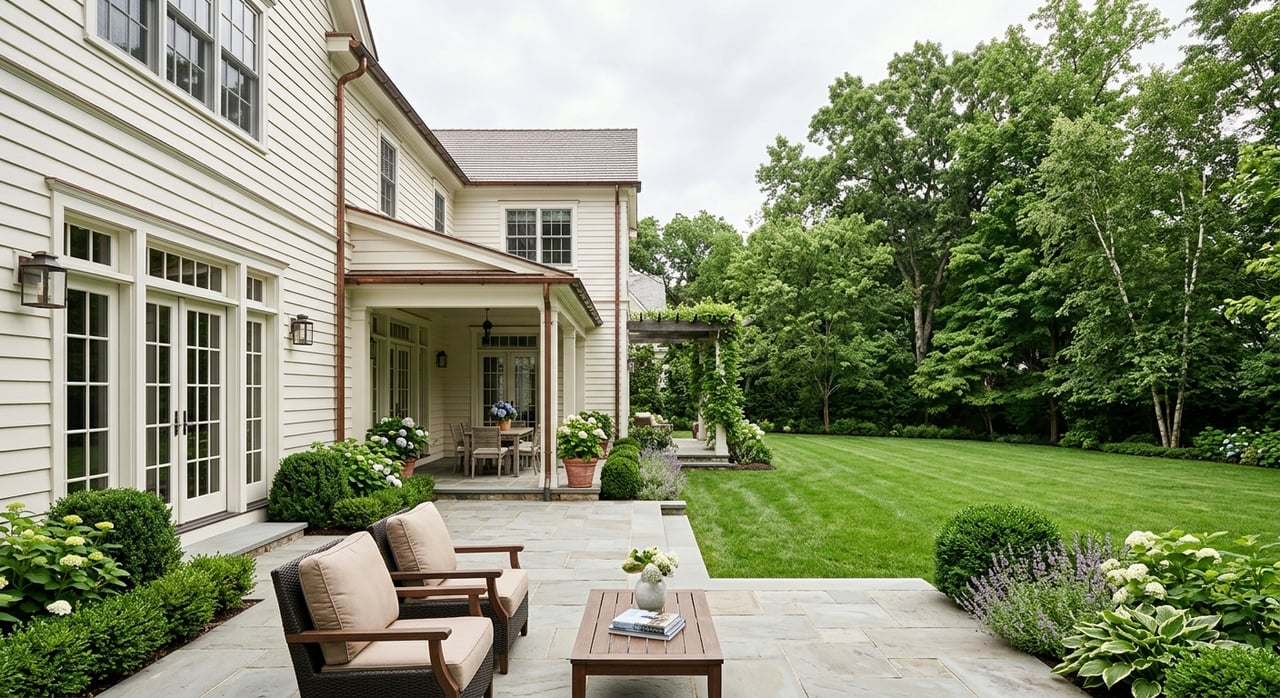
A smaller single-family home can be a strong option if you still want privacy, outdoor space, and a more traditional layout. This path may let you keep many of the benefits of homeownership while cutting down on cleaning, repairs, and utility costs.
That said, a detached home still comes with exterior maintenance and property responsibilities. If your goal is to simplify as much as possible, you will want to compare not just the purchase price, but also the ongoing work and expense of owning the property.
Condos or apartment-style homes can appeal to downsizers who want less exterior maintenance and a more lock-and-leave lifestyle. If travel, convenience, or fewer household tasks are part of your goal, this option can be worth a close look.
The tradeoff is that condo living often includes association fees and community rules. The Consumer Financial Protection Bureau notes that HOA dues are usually paid separately from the mortgage and can range from a few hundred dollars per month to more than $1,000. Before you buy, it is important to review the full monthly cost, reserves, and any restrictions that could affect your day-to-day comfort.
Townhomes can offer a middle ground between a detached house and a condo. You may get more space than an apartment-style unit while still reducing some exterior maintenance compared with a larger single-family home.
For many Princeton homeowners, this is a useful compromise. You can often keep a more residential feel while trimming the square footage and chores that come with a larger property.
Some homeowners downsize in stages instead of making one permanent move right away. Renting can give you time to sell first, free up equity, and make a more careful decision about your next purchase.
In Princeton, the median gross rent is $2,636, according to the Census Bureau. That number can serve as a useful benchmark if you are comparing the cost of a temporary rental against carrying your current home or buying immediately.
The best downsizing move is not always the smallest home. It is the home that supports how you want to live now and in the years ahead.
Start by thinking about your daily routine. Do you want less yard work, fewer stairs, easier travel, or more convenient access to errands and social plans? A good downsizing decision should solve the problems that your current home creates, not just reduce square footage.
Location also matters. Princeton’s compact geography and transportation options can make it possible to stay connected to the routines you already enjoy, even in a smaller home.
For many downsizers, convenience is a major part of the decision. Princeton offers several local transportation options that can help you stay mobile and connected.
According to the municipality, the free Princeton Loop serves housing locations, downtown Princeton, and the Princeton Shopping Center. Princeton Station connects to the Dinky, NJ Transit Bus 605, Tiger Transit, and other regional routes, and the town also notes access to direct Amtrak and NJ Transit rail service.
If senior transportation support is part of your planning, Princeton also offers Crosstown, which provides door-to-door transportation for seniors age 65 and older and people with disabilities. These options can be meaningful if you want a home that supports a more walkable or car-light lifestyle.
One of the biggest downsizing mistakes is focusing only on the listing price of the next home. A smaller home can still come with monthly costs that surprise you if you do not look at the full picture.
The Consumer Financial Protection Bureau notes that the cost of buying a home includes more than the sale price. Interest, fees, and transfer or property taxes all matter, and HOA dues are often separate from your mortgage payment. For a Princeton downsizer, the real question is not just what you can buy, but what the move will cost all-in each month.
It can help to compare these numbers side by side:
| Cost Category | Current Home | Potential Next Home |
|---|---|---|
| Mortgage or housing payment | ||
| Property taxes | ||
| Insurance | ||
| HOA or association dues | ||
| Utilities | ||
| Maintenance and repairs | ||
| Transportation needs |
This kind of comparison can give you a much clearer picture of whether a move truly simplifies your finances.
Downsizing can feel emotional because you are not just moving items. You are making decisions about what stays part of your life and what no longer fits.
AARP’s guidance offers a practical way to approach the process. Start with one small area, remove obvious trash first, and sort items into keep, donate, or toss. Give every item a home, and do not try to do everything in one weekend.
If you have family pieces or keepsakes, ask loved ones whether they actually want them before you assume they will. This can save time, reduce frustration, and help you make more realistic decisions. In most cases, downsizing works best as a series of smaller steps rather than one major cleanout.
If you are an older homeowner in Princeton, property tax relief may be an important part of your planning. New Jersey’s Division of Taxation says the combined PAS-1 application covers Senior Freeze, ANCHOR, and Stay NJ, with a deadline of November 2, 2026 for the 2025 application year.
The state FAQ says Senior Freeze applies to homeowners born in 1960 or earlier, or those receiving Social Security or Railroad Retirement disability benefits. Stay NJ is for homeowners age 65 and older who own and occupy their home as a principal residence and have income under $500,000. For 2025, Stay NJ is calculated as 50% of property taxes up to a maximum benefit of $6,500.
Princeton also offers an annual $250 property tax deduction for qualifying seniors, disabled homeowners, and certain surviving spouses, although the local income cap is very low. Because eligibility and benefit levels can change, it is smart to review current rules as part of your downsizing timeline.
A successful downsizing move is not only about the home itself. It is also about staying connected to services, routines, and support.
Princeton’s Senior Services page points residents to Alzheimer’s and memory care services, senior and assisted living facilities in Mercer County, senior centers, and senior education and enrichment programs. Mercer County’s ADRC describes itself as a doorway to information for seniors, adults with physical disabilities, family caregivers, and private-pay consumers.
The county’s Princeton-area nutrition program also lists a Princeton site and transportation assistance through TRADE. If you are planning for your own future needs or helping a family member think ahead, these local resources can be useful to keep on your radar.
Downsizing in Princeton is often less about leaving and more about refining. You may be looking for fewer maintenance demands, more predictable costs, better access to transit, or a home that fits your lifestyle with less effort.
The key is to make the move intentionally. Look at your equity, compare your true monthly costs, think through your ideal routine, and give yourself enough time to sort through the practical and emotional parts of the transition.
If you want steady guidance as you weigh your options, market your current home, or plan a move within Princeton or the surrounding Mercer-Somerset area, Janet Stefandl can help you create a thoughtful strategy tailored to your goals.
Stay up to date on the latest real estate trends.
Janet Stefandl's professionalism, calm demeanor, and unwavering support have earned her glowing testimonials and repeat business. With Janet, you’re choosing a dedicated advocate who is committed to making your real estate vision a reality.

100 OVERLOOK CTR FL 2 PRINCETON NJ 08540