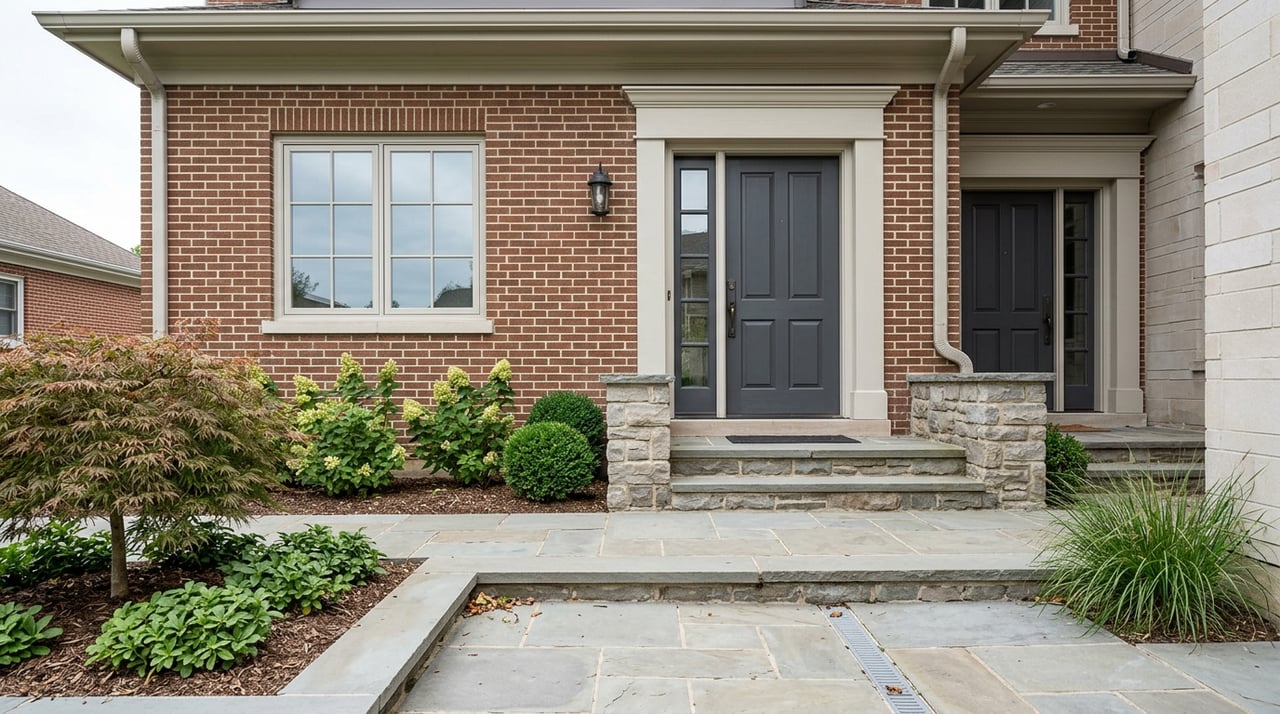
Princeton Condo vs Single-Family Homes: How to Decide
March 26, 2026
March 26, 2026
Condo or single-family in Princeton? If you are weighing price, space, and commute, the choice can feel like a moving target. Princeton offers both lock-and-leave convenience and classic homes with yards, so it helps to line up the facts with your lifestyle. In this guide, you will compare costs, financing, and day-to-day tradeoffs so you can choose with confidence. Let’s dive in.
Princeton is a high-demand market with a wide price spread by property type and ZIP code. As of February 28, 2026, Zillow reported a typical Princeton home value of about $943,925. Realtor.com showed a median sale price of $997,000 for December 2025. Different sources use different samples, and 08540 vs 08542 can show materially different medians. Expect condos and smaller townhomes to offer lower entry prices than most detached homes.
Market tempo has been steady. Many sources placed median days on market around 70 to 80 days in late 2025. Inventory is limited, and well-presented homes in desirable locations still draw strong attention. Always verify current asking and sold prices with an up-to-date MLS review.
If you want walkable access to downtown and the university, condos and small townhomes are common options. Downtown flats often trade in the mid $300,000 to mid $700,000 range depending on size, finishes, and exact location. Units in outer complexes or nearby towns like Princeton Junction and Plainsboro can start in the low $300,000s and extend toward $600,000 plus. Premium downtown addresses can command higher prices per square foot due to location.
Monthly association fees are a key part of the math. In the Princeton area, many condo and townhome listings show HOA dues roughly in the $300 to $900 per month range, with amenity-heavy buildings sometimes higher. Fees vary by what the association covers and by building size.
Attached homes often sit between condos and detached homes on price. In Princeton, many townhouses and larger attached homes range from about $600,000 to $1.1 million depending on lot rights, space, and finishes. Some premium units list above $800,000, especially in central locations with recent updates.
Detached homes typically start well above entry-level condo prices. Many Princeton single-family homes, including historic properties, list in the $900,000 to $1.5 million band, with luxury and estate properties far higher. You gain yard space, privacy, and more control over your home, but you also take on all exterior maintenance and larger system replacements.
Condo and townhouse owners pay monthly dues for shared expenses. These commonly cover exterior maintenance, building insurance for common elements, landscaping, snow removal, and amenities. The exact scope comes from each association’s documents. For a quick primer on typical inclusions, see this overview of what HOA fees often pay for, which can help you build a realistic budget: what HOA fees typically include.
Property taxes are a major line item. Princeton’s average residential tax bill for Tax Year 2024 was $22,658, according to the New Jersey Division of Taxation. Use this as a planning cue since individual bills vary with assessed value. You can review the official report here: New Jersey Average Residential Tax Report, 2024.
Insurance needs differ by property type. Condo owners usually carry an HO-6 policy that covers the interior of the unit, personal property, liability, and improvements. The association’s master policy covers the building’s common elements based on its terms. Single-family owners typically carry an HO-3 policy that insures the structure, contents, and liability. HO-6 premiums are often lower than HO-3, but they do not replace the master policy. Learn more about HO-6 coverage here: condo owner insurance explained.
If you are considering a condo, the association’s eligibility for conventional lending can affect both your financing and future resale. Lenders and secondary-market buyers often rely on Fannie Mae’s Condo Project Manager. Projects listed as not eligible or unavailable can limit the buyer pool to cash or specialized portfolio loans. You can see how CPM is used here: Fannie Mae Condo Project Manager. Fannie Mae also outlines what can make a project ineligible, like certain litigation or high commercial-use ratios: ineligible condo projects.
Some buyers use FHA financing for entry-level purchases. Not every condo project is FHA-approved, but there is a single-unit approval pathway. Requirements are specific and vary by project, so check early with your lender to avoid surprises. This guide explains the process: FHA single-unit approval basics.
Healthy reserve funds and a current reserve study help reduce the risk of special assessments. Before you offer on a condo, ask for the budget, most recent reserve study, year-to-date financials, meeting minutes, and the master insurance certificate. Financing rules and project eligibility connect directly to these items. For background on project standards, see this resource: Fannie Mae project standards overview.
Downtown Princeton is highly walkable, with shops, dining, and cultural venues close by. The Princeton “Dinky” connects downtown to Princeton Junction in a short ride, where you can board the NJ Transit Northeast Corridor to New York City and other destinations. If you commute, consider parking, garage versus assigned parking, and train schedules. Get route details here: NJ TRANSIT Princeton Dinky.
Condo associations have rules on renovations, leasing, and shared spaces that help protect common interests. Review covenants and bylaws to confirm they fit your lifestyle. Single-family homes provide more autonomy but also more responsibility for your property.
When you are ready to compare specific properties side by side, reach out for local guidance and a clear plan. With two decades of Princeton experience, calm negotiation, and Compass-backed tools, Janet Stefandl will help you choose the home that fits your life and budget.
Stay up to date on the latest real estate trends.
Janet Stefandl's professionalism, calm demeanor, and unwavering support have earned her glowing testimonials and repeat business. With Janet, you’re choosing a dedicated advocate who is committed to making your real estate vision a reality.

100 OVERLOOK CTR FL 2 PRINCETON NJ 08540