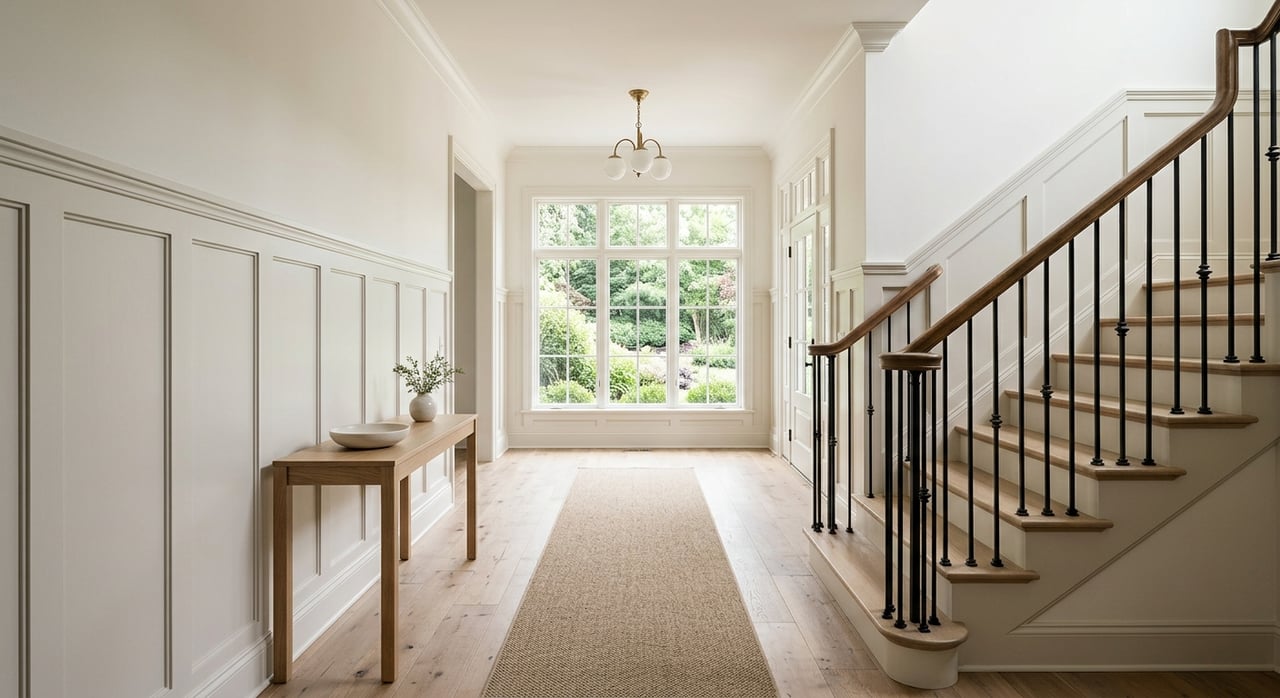
Buying and Selling a Princeton Home With a Clear Plan
May 28, 2026
May 28, 2026
Trying to buy your next home while selling your current one in Princeton can feel like solving a puzzle with moving parts that keep shifting. You want the best price on your sale, the right home on your purchase, and a timeline that does not leave you carrying extra stress or extra costs. The good news is that with a clear strategy, you can reduce surprises and make smarter decisions at each step. Let’s dive in.
Princeton is a high-value market, and that changes the stakes when you are buying and selling at the same time. Recent 2026 market snapshots point to median home prices around the $1.08 million to $1.15 million range, with homes taking about 42 days on market in one March 2026 report. Another March 2026 snapshot described Princeton as a buyer’s market, which means pricing and timing both deserve close attention.
That matters because your next move may depend on the proceeds from your current home. In a market where homes are valuable but timelines can still vary, it helps to build a plan that includes financing, possession dates, and even temporary housing if needed. Princeton rentals may offer a backup option, but they may not come cheap, with a reported median rental price of $3,595 and 95 rentals listed in one local snapshot.
For many homeowners, this is the safest path. It lowers the risk of carrying two mortgage payments at once and gives you a clearer picture of your net proceeds before you shop for your next home.
The tradeoff is convenience. If your new home is not ready when your current sale closes, you may need a short-term rental or another temporary housing plan.
This option can make sense if you find a home that is hard to replace or if you want to move only once. It can also work for homeowners with substantial equity and a strong financing plan.
Still, this route carries more risk. Bridge-style financing, home equity loans, or HELOCs can help with timing, but they use your current home equity to support the move, and repayment may be due when that home sells.
Some buyers and sellers aim for a same-day closing or a very short gap between transactions. Others negotiate a later possession date so one side has a little breathing room after closing.
This can be efficient, but it requires careful coordination. In New Jersey, the closing date and possession date should both be clearly spelled out in the contract, so it is important not to treat move-out timing as an afterthought.
In New Jersey, a residential contract prepared by a real estate licensee includes an attorney-review clause. After the contract is fully signed and delivered, buyer and seller generally have three business days to consult an attorney, request changes, or cancel the deal.
That early review period can affect your timeline right away. If you are trying to buy and sell at once, even a short delay here can ripple through inspections, mortgage steps, and closing coordination.
A signed contract should clearly state the price, down payment, financing deadline, closing date, and possession date. That last detail matters more than many people expect.
You may close on paper but not move immediately, or you may need to give possession sooner than is ideal. When you are juggling two homes, possession timing can be just as important as the closing itself.
Many sellers expect buyers to provide a preapproval letter with an offer. Later in the process, buyers usually receive the Closing Disclosure three business days before closing.
That gap can create pressure when your sale and purchase are set close together. A strong preapproval early on and careful review of final loan terms can help reduce last-minute surprises.
In most cases, selling first is the safer financial move. It follows the standard path many homeowners use when moving and helps you avoid guessing how much equity you will actually have available.
That does not mean it is always the best fit for you. If your priority is moving only once, securing a specific home, or relocating on a fixed schedule, a buy-first plan may still be worth considering with the right preparation.
In New Jersey, sellers generally pay the realty transfer fee. Buyers also pay an additional 1 percent fee on home sales of $1 million or more, and sellers may face an additional graduated fee on transfers over $1 million.
In Princeton, where many homes are priced near or above that threshold, these costs can materially affect the money available for your next purchase. That is why a realistic net sheet matters before you make decisions about price, down payment, or temporary financing.
Your move may involve more than the mortgage. You may also need to plan for movers, storage, short-term housing, overlap in utilities, and closing-related costs.
On top of that, Princeton property taxes and sewer charges are billed quarterly on February 1, May 1, August 1, and November 1, with a 10-day grace period. If a closing date shifts, those prorations and escrow adjustments can affect your cash needs more than expected.
If you are selling and buying at once, time is your most valuable resource. The more prep you finish before your home hits the market, the easier it becomes to respond quickly when the right next home appears.
In New Jersey, sellers complete a Property Condition Disclosure Statement covering known material defects, and the form is not a warranty. That makes it smart to organize repair records, disclosures, and any property details well before you are also trying to negotiate a purchase.
For homes built before 1978, lead-based paint rules may also apply. New Jersey health guidance says sellers must disclose known lead-based paint hazards before the sale of most pre-1978 housing, and buyers get a 10-day period to conduct a lead inspection or risk assessment at their own expense.
A strong sale can create more flexibility on the buy side. Thoughtful preparation, staging, and targeted pre-sale improvements may help you attract stronger offers and maximize net proceeds.
For homeowners in Princeton and nearby Mercer and Somerset communities, this is where a full-service strategy can make a difference. Janet Stefandl helps sellers think through presentation, timing, and negotiation, and Compass Concierge can support eligible pre-sale improvements and staging without upfront costs.
Contingencies are one of the most practical ways to protect yourself in a simultaneous move. Financing and inspection contingencies are standard tools that can give you a clear way out if a key part of the transaction does not line up.
That matters even more when one closing depends on another. If your sale, mortgage approval, or inspection results change unexpectedly, contingency language can help reduce the chance of being forced into a decision that does not serve your goals.
Before you move forward, make sure your plan covers the basics:
Buying and selling at once is not just about paperwork. It is about sequencing decisions in the right order so your finances, timeline, and move all work together.
In Princeton, that means understanding local price points, New Jersey contract timing, tax thresholds around the $1 million mark, and the practical reality that even a well-planned move may need a backup option. A calm, local, negotiation-focused approach can make the process feel far more manageable.
If you are planning a move in Princeton or a nearby Mercer or Somerset community, Janet Stefandl can help you build a smart strategy for buying and selling with more clarity and confidence.
Stay up to date on the latest real estate trends.


Janet Stefandl's professionalism, calm demeanor, and unwavering support have earned her glowing testimonials and repeat business. With Janet, you’re choosing a dedicated advocate who is committed to making your real estate vision a reality.

100 OVERLOOK CTR FL 2 PRINCETON NJ 08540