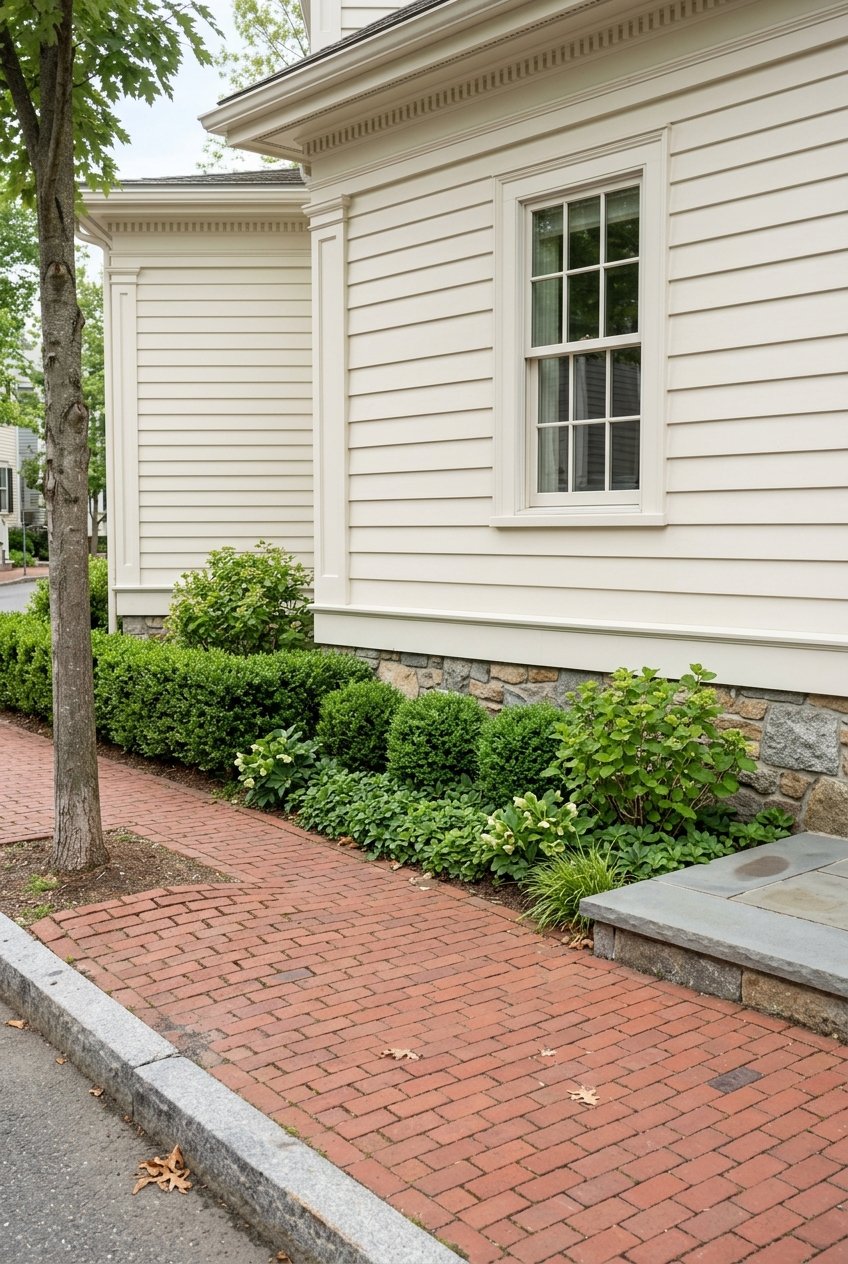
Which Princeton Neighborhood Fits Your Daily Routine?
July 2, 2026
July 2, 2026
If you are trying to figure out where you would feel most at home in Princeton, you are not alone. One of the biggest surprises for buyers and relocators is how different daily life can feel from one part of town to another, even within the same municipality. In Princeton, your best fit often comes down to how you want to move through your day, whether that means walking to coffee, catching a train, or starting the morning near trails and open space. Let’s dive in.
Princeton has about 30,000 residents across 18.4 square miles, and more than one-quarter of its land is preserved as open space. That helps explain why one area can feel compact and active while another feels quieter and more residential.
The town also has strong regional connections. You have rail and highway access to New York City, Philadelphia, Route 1, the New Jersey Turnpike, and the Garden State Parkway, which gives different neighborhoods different commute advantages.
The easiest way to narrow your Princeton neighborhood fit is to picture an ordinary weekday. Think less about the house for a moment and more about what you want within easy reach.
Ask yourself a few simple questions:
Your answers can quickly point you toward one of Princeton’s main lifestyle patterns: in-town, campus-adjacent, or outer-ring residential.
For many buyers, the clearest walk-first part of Princeton is the downtown area around Nassau Street, Witherspoon Street, and Palmer Square. This is where you are most likely to find errands, dining, cafés, public events, and civic destinations in one compact area.
Palmer Square is one of the most recognizable downtown destinations, with boutiques, restaurants, cafés, and events. The Princeton Public Library on Witherspoon Street adds another practical anchor, with transit access and parking validation that support a very connected day-to-day routine.
Living in the core often means you can do more on foot. A coffee run, dinner plans, library visit, or town event may all fit into the same short outing.
This part of Princeton also tends to feel more active. The municipality is investing in pedestrian improvements along Nassau Street, which reflects how important this corridor is for foot traffic, shopping, and public life.
Within the historic core, Witherspoon Street has a layered feel. The town describes it as the heart and historical center of Princeton’s Black community, with a mix of commercial, residential, and religious buildings and heavy pedestrian use.
Green Street offers a somewhat different atmosphere. The municipality describes it as wider, with more trees and a small-town ambiance, which can appeal to buyers who want to stay close to downtown while still enjoying a softer streetscape.
Downtown Princeton is often a strong fit if you want:
It may be less ideal if your top priority is a very quiet street scene. This is the part of town where retail and pedestrian activity naturally concentrate.
If you want a more car-light lifestyle and you enjoy being near arts, transit, and campus energy, the university-adjacent areas may feel like the right match. This part of Princeton is shaped by a pedestrian-oriented campus and the movement that comes with it.
Princeton University expects students to walk, bike, or use TigerTransit, and NJ Transit’s Dinky connects downtown Princeton and the university area with Princeton Junction on the Northeast Corridor. That creates a practical setup for people who want rail access without needing to center every trip around a car.
The university edge tends to feel more active than purely residential sections of town. Around Princeton Station and University Place, you are more likely to notice students, visitors, shuttle activity, train riders, and event traffic.
For the right buyer, that energy is a real benefit. It can make daily life feel connected, convenient, and full of activity rather than quiet and tucked away.
This area also stands out for its cultural access. Princeton highlights the Art Museum, downtown galleries, concerts, and McCarter Theatre as part of community life, and the Lewis Center notes that McCarter presents professional theater, dance, music, and other events on the Princeton campus.
If you like the idea of performances, exhibits, and a strong intellectual atmosphere being part of your regular routine, this part of town may be especially appealing.
University-adjacent living is often a good fit if you want:
If you want a calmer environment with less foot traffic, this may not be your first choice.
The outer parts of Princeton often appeal to buyers who want more space, a slower pace, and everyday access to nature. Because more than one-quarter of Princeton is preserved as open space, these neighborhoods can feel closely tied to parks, trails, and wooded areas.
This is where Princeton starts to feel more suburban and park-centered. The rhythm is often less about walking to Nassau Street and more about using outdoor space as part of everyday life.
Several municipal parks shape the feel of the outer ring. Community Park North is a 71-acre wooded tract with trails and a pond, Turning Basin Park connects to the Delaware Canal State Park walking trail, and Herrontown Woods offers trailheads off Snowden Lane and Herrontown Road.
Greenway Meadows, Community Park South, and Marquand Park also support a more outdoors-forward lifestyle. For many buyers, that means morning walks, easier access to trails, and a quieter residential backdrop.
The outer ring often gives you quieter mornings and more greenery, but it may also mean driving or taking a bus for some errands. Princeton’s Loop, TigerTransit, and local NJ Transit buses help connect these areas back to downtown and the shopping center, so you still have options beyond the car.
That balance is important to think through honestly. If you want peace and park access, the extra distance from the core may feel well worth it.
Outer-ring Princeton is often a strong fit if you want:
Areas near Herrontown Road, Snowden Lane, Mountain Avenue, and southern-edge open space are among the places most likely to feel calm based on nearby park and trail access.
One reason Princeton appeals to so many kinds of buyers is that there is no single commute pattern. Depending on where you live, your routine may be walking-first, shuttle-first, rail-first, or car-first.
The Princeton Loop is a free municipal bus that serves housing locations, downtown Princeton, and the Princeton Shopping Center. Princeton Station is also served by NJ Transit 605, free Princeton University shuttle service, and freeB options, while the Dinky links Princeton Station and Princeton Junction.
NJ Transit also notes daily Coach USA 100 Bus service from Nassau Street at Firestone Library to New York City. For some residents, that makes Princeton a realistic choice for a mixed in-person and regional commute.
| If you want... | Princeton fit to explore |
|---|---|
| Walk to errands and public spaces | Downtown core near Nassau Street, Witherspoon Street, and Palmer Square |
| Easy rail and shuttle access | University-adjacent areas near Princeton Station and University Place |
| Quiet streets and park access | Outer-ring neighborhoods near preserved open space and trails |
| Transit backup with more residential calm | Outer neighborhoods connected by the Loop or local bus routes |
The best neighborhood is rarely about a single label. It is about the version of Princeton that supports your routine, your pace, and your priorities.
If you are relocating, this step matters even more. A home that looks perfect online may feel too busy, too quiet, or too car-dependent once you picture your real schedule there.
When I help buyers think through Princeton, these are often the most useful filters:
If you want coffee, dinner, library access, and errands within a compact radius, start with the in-town core. That is Princeton’s clearest walk-first zone.
If you enjoy an energetic setting with arts, performances, visitors, and transit activity, the campus edge may feel exciting and practical. If you prefer calmer streets, look farther out.
If your ideal day starts with a trail, a pond, or a tree-lined setting, the outer ring may be the better fit. These areas tend to support a more relaxed residential routine.
Before you commit to a specific street or section of town, try comparing neighborhoods by how you would actually live in them. Look at how you would get coffee, commute, run errands, visit the library, or reach a favorite park.
That kind of practical thinking usually brings clarity fast. It also helps you buy with more confidence, especially in a market where location feel can matter just as much as square footage.
If you want help narrowing down the right Princeton neighborhood for your goals, Janet Stefandl offers local, relationship-first guidance for buyers, sellers, and relocations across Princeton and surrounding Mercer-Somerset communities.
Stay up to date on the latest real estate trends.
Janet Stefandl's professionalism, calm demeanor, and unwavering support have earned her glowing testimonials and repeat business. With Janet, you’re choosing a dedicated advocate who is committed to making your real estate vision a reality.

100 OVERLOOK CTR FL 2 PRINCETON NJ 08540