Experience Walkable Downtown Princeton Living
April 23, 2026
April 23, 2026
If you are looking for a place where coffee, errands, culture, and green space can all fit into the same day without constant driving, downtown Princeton stands out. For many buyers and relocators, that kind of daily convenience is not just a nice perk. It shapes how a home feels to live in week after week. In this guide, you will get a clear picture of what walkable living near downtown Princeton actually looks like and why it matters when you are deciding where to buy. Let’s dive in.
Walkable living near downtown Princeton centers on a compact core rather than a spread-out suburban pattern. Princeton’s 2023 Master Plan identifies Nassau Street as the municipality’s Downtown Main Street, and Princeton University describes Nassau Street as the main commercial street and the boundary between campus and town. Together, those sources paint a picture of a downtown where daily life is concentrated in a relatively connected area.
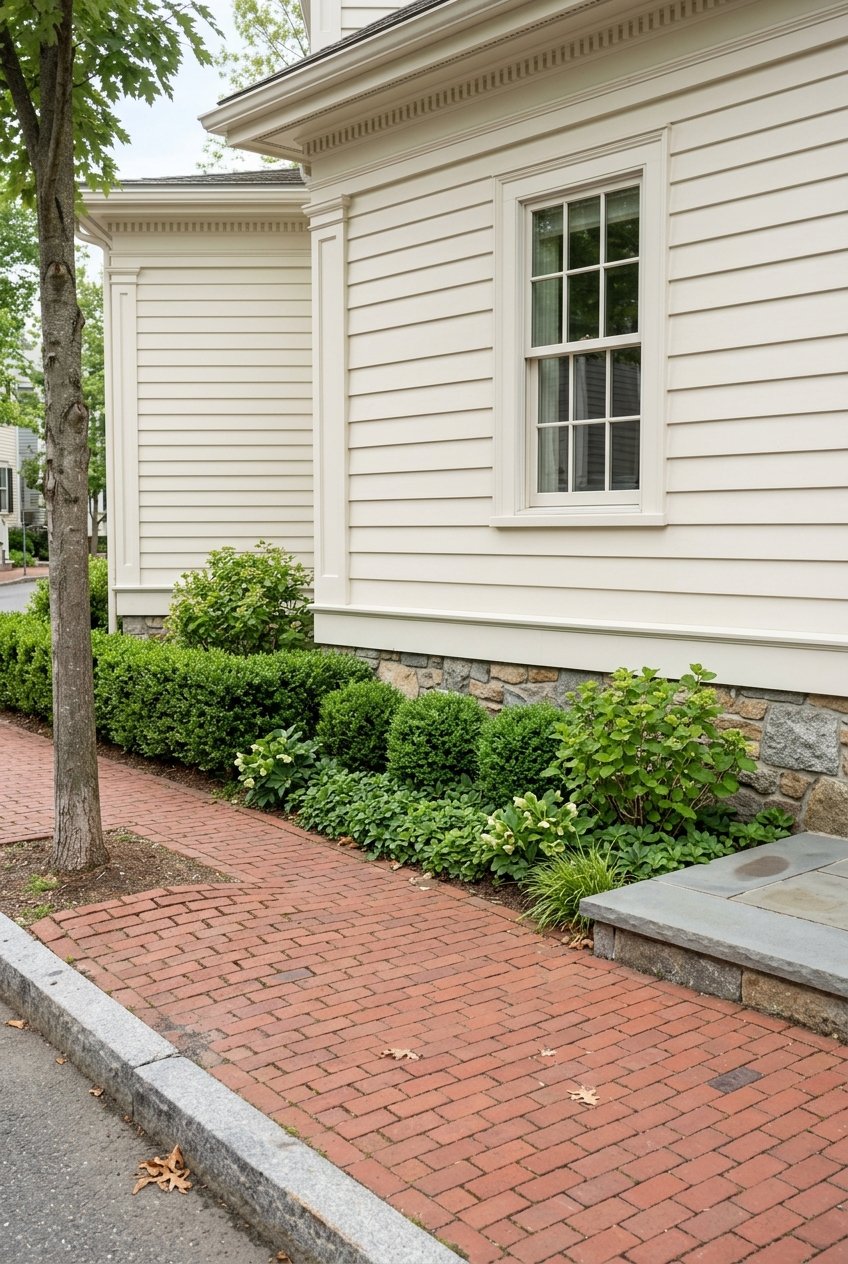
That core is anchored by places you are likely to hear about often: Nassau Street, Palmer Square, and Witherspoon Street. Palmer Square sits in the middle as a mixed-use district with residences, offices, shops, restaurants, bars, a hotel, and recurring events. On Witherspoon Street, wider sidewalks, curb extensions, raised crosswalks, street trees, and pedestrian-level lighting reinforce that walk-first feel.
For you as a buyer, that means “close to downtown” can offer more than map appeal. It can translate into a day-to-day routine where getting out on foot feels realistic, convenient, and enjoyable.
One of the biggest advantages of living near downtown Princeton is that an ordinary day can include more than one destination. You might grab coffee, run a quick errand, stop by the library, and meet friends for dinner, all within the same general walking radius. That kind of rhythm is a major part of the lifestyle draw.
Princeton University describes the downtown dining scene as diverse and well established, with restaurants, cafes, bistros, and bars across many cuisines. Current downtown listings highlight familiar local stops like PJ’s Pancake House, Hoagie Haven, Small World Coffee, the Nassau Diner, and House of Ihsan. For many residents, that means your quick coffee run or casual dinner out can feel built into the neighborhood rather than planned around a drive.
Errands are also part of the equation. Downtown resources include the U.S. Postal Service in Palmer Square, CVS on Nassau Street, and Whole Earth Center on Nassau Street. A few blocks north, Princeton Shopping Center adds McCaffrey’s Market, Walgreens, and Smith’s Ace Hardware, giving you another practical cluster nearby.
The weekly rhythm matters too. The Princeton Farmers Market at Hinds Plaza keeps local produce and goods right in the center of town next to Princeton Public Library. When a downtown has a recurring market, everyday walkability starts to feel less abstract and more like a lived routine.
Walkable living is not only about errands. In Princeton, culture is part of the same radius, which gives downtown a fuller everyday appeal. If you enjoy being able to step out for a film, a lecture, an exhibit, or a performance without a long trip, that is a meaningful benefit.
The Princeton Public Library at 65 Witherspoon is open seven days a week, includes a café, and hosts classes, lectures, and events. Its location next to Hinds Plaza helps make it part of the flow of downtown activity rather than a separate destination. The Arts Council of Princeton at 102 Witherspoon adds classes, exhibitions, public art, outreach, and community performances.
For performing arts and film, McCarter Theatre on University Place presents theater, music, dance, spoken word, and educational programming, while the Princeton Garden Theatre on Nassau Street is Princeton’s nonprofit arthouse cinema. Palmer Square also contributes regular events, seasonal celebrations, and weekly entertainment, which adds another layer to the downtown experience.
The Princeton University Art Museum is about 0.2 miles from Nassau and Witherspoon and offers free admission. That short distance matters because it shows how easily arts and everyday life connect in this part of town.
A walkable downtown feels more livable when there is room to slow down. Princeton offers that balance with green spaces and gardens that sit close enough to downtown to fit naturally into your routine. You do not have to choose between town energy and a quieter pause.
Morven Museum & Garden at 55 Stockton is a short walk from downtown shopping and dining. The museum is open Wednesday through Sunday from 10 a.m. to 4 p.m., and the garden is open daily from dawn to dusk. That makes it an easy option for a midday break, a weekend visit, or a simple change of pace.
Marquand Park, at Lovers Lane and Stockton Street, offers 17 acres and about a mile of paved paths with pedestrian access from downtown Princeton. For buyers thinking about daily lifestyle, spaces like these add flexibility. You can picture a morning walk, an after-work loop, or a relaxed weekend stroll without getting in the car.
Even in a walkable location, most buyers still want practical backup options. Downtown Princeton works well when you think of it as a walk-first environment with transit and parking in the mix. That is an important distinction, especially if you are relocating from a city or from a more car-dependent suburb.
NJ Transit’s Princeton Dinky connects downtown Princeton and campus with Princeton Junction in about five minutes, seven days a week, with no intermediate stops. Princeton Public Library also notes NJ Transit bus routes 605 and 606, free municipal bus service from the station to Princeton, and TigerTransit. Princeton University describes TigerTransit as free and open to visitors.
Parking is still available near the core, which helps if part of your routine remains car-based. The library points to the Spring Street Garage next door, and Palmer Square advertises two multi-level parking garages with more than 1,000 spaces. For many households, that combination makes downtown Princeton feel flexible rather than limiting.
For buyers, walkable living near downtown Princeton can support convenience, variety, and a stronger sense of connection to place. Instead of using your car for every small task, you may be able to fold more of daily life into a shorter radius. That can make the area feel more usable, especially on busy weekdays.
This kind of location can be especially appealing if you are relocating and want to get oriented quickly. Being near a defined downtown with dining, services, culture, and transit can make the transition smoother. It gives you a practical way to learn the area by using it.
It can also appeal to buyers who value flexibility over a one-size-fits-all routine. Some days may be fully walkable. Other days may involve a mix of walking, transit, and driving. Near downtown Princeton, that layered approach is part of the appeal.
If you own a home with convenient access to downtown Princeton, that lifestyle factor may be an important part of how your property is positioned. Buyers often respond to more than square footage and finishes. They also respond to how a location supports daily life.
A thoughtful listing strategy can highlight proximity to downtown destinations, cultural amenities, green space, and transit in a factual, lifestyle-oriented way. That kind of marketing works best when it is specific and grounded in the actual experience of the area. Clear positioning helps buyers picture the rhythm of living there.
If you are preparing to sell, that is where strong local guidance matters. Knowing how to present location advantages, sequence improvements, and negotiate effectively can make a meaningful difference in both buyer interest and the final outcome.
Not every buyer wants the exact same relationship to downtown. Some want to be right in the middle of the action. Others want a quieter residential setting with straightforward access on foot. The right fit depends on your pace, commute needs, and how often you expect to use downtown amenities.
That is why a neighborhood search should go beyond simple distance. You will want to think about how you actually live: your morning routine, your dining habits, your errands, your use of green space, and whether transit access matters to you. A home that looks similar on paper can feel very different depending on how it connects to the downtown core.
If you are buying or selling in Princeton, working with someone who understands those micro-level lifestyle differences can help you make a more confident decision. To talk through your goals and what walkable living near downtown Princeton might look like for you, connect with Janet Stefandl.
Stay up to date on the latest real estate trends.
Janet Stefandl's professionalism, calm demeanor, and unwavering support have earned her glowing testimonials and repeat business. With Janet, you’re choosing a dedicated advocate who is committed to making your real estate vision a reality.

100 OVERLOOK CTR FL 2 PRINCETON NJ 08540