Living in Princeton NJ: Homes, Lifestyle & Commute Guide
February 5, 2026
February 5, 2026
Thinking about a move to Princeton, NJ, but not sure what day-to-day life really feels like? You’re not alone. Many buyers and relocating professionals look for a town that balances walkability, culture, and solid commute options with a strong sense of place. In this guide, you’ll learn what residents love most, the types of homes you can find, how people get around, and what to expect from schools, services, and costs. Let’s dive in.
Princeton is a single municipality formed in 2013 when the former Borough and Township consolidated. It has about 30,000 residents based on the 2020 Census, with a seasonal bump during the academic year. The community includes long-time locals, university students and staff, professionals in tech and biotech, and retirees.
You’ll find a compact, historic downtown centered on Nassau Street and Palmer Square, with residential neighborhoods and green space surrounding it. The result is a blend of small-town walkability and leafy suburban streets that many residents describe as both convenient and calm.
Princeton’s core around Nassau Street and Palmer Square is walkable and full of restaurants, cafés, boutiques, and everyday services. Housing here includes condos, apartments, and historic townhouses set above storefronts or tucked on side streets. Young professionals, downsizers, and those who want a car-light lifestyle often look here first.
Inventory near downtown can be tight, and values are well above national averages. If you’re set on a specific block or building, you’ll want a plan for timing and contingencies, since desirable options may not come up often.
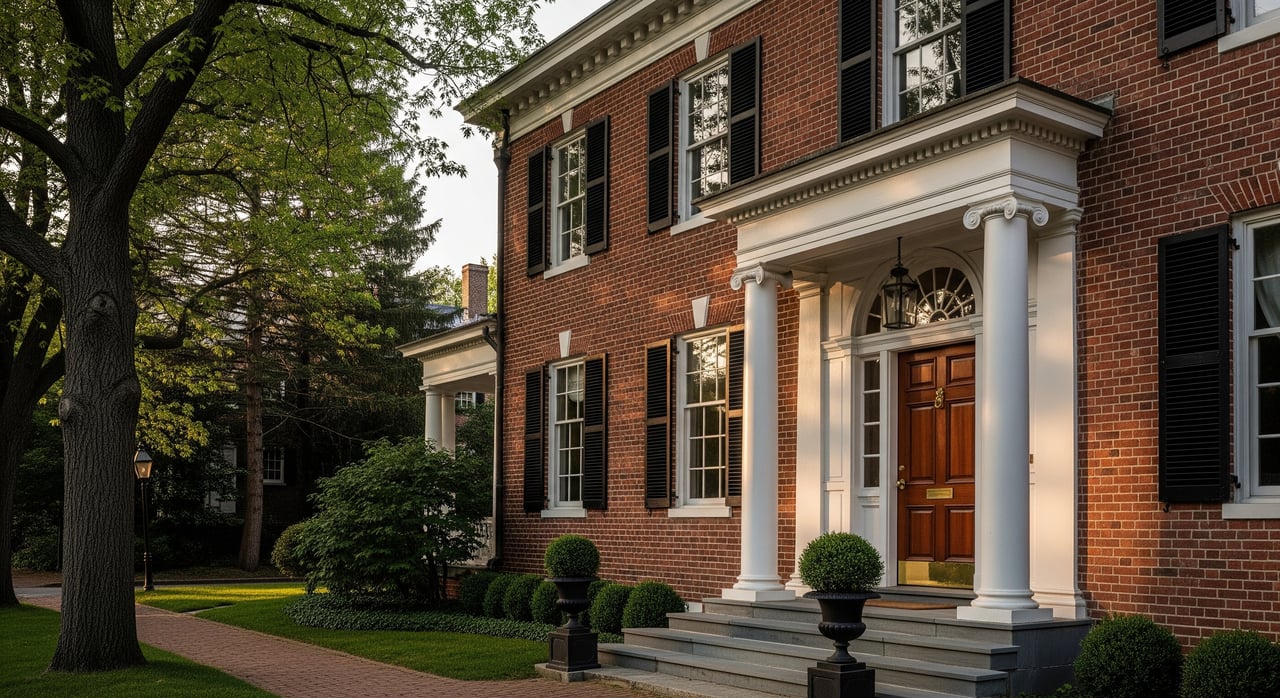
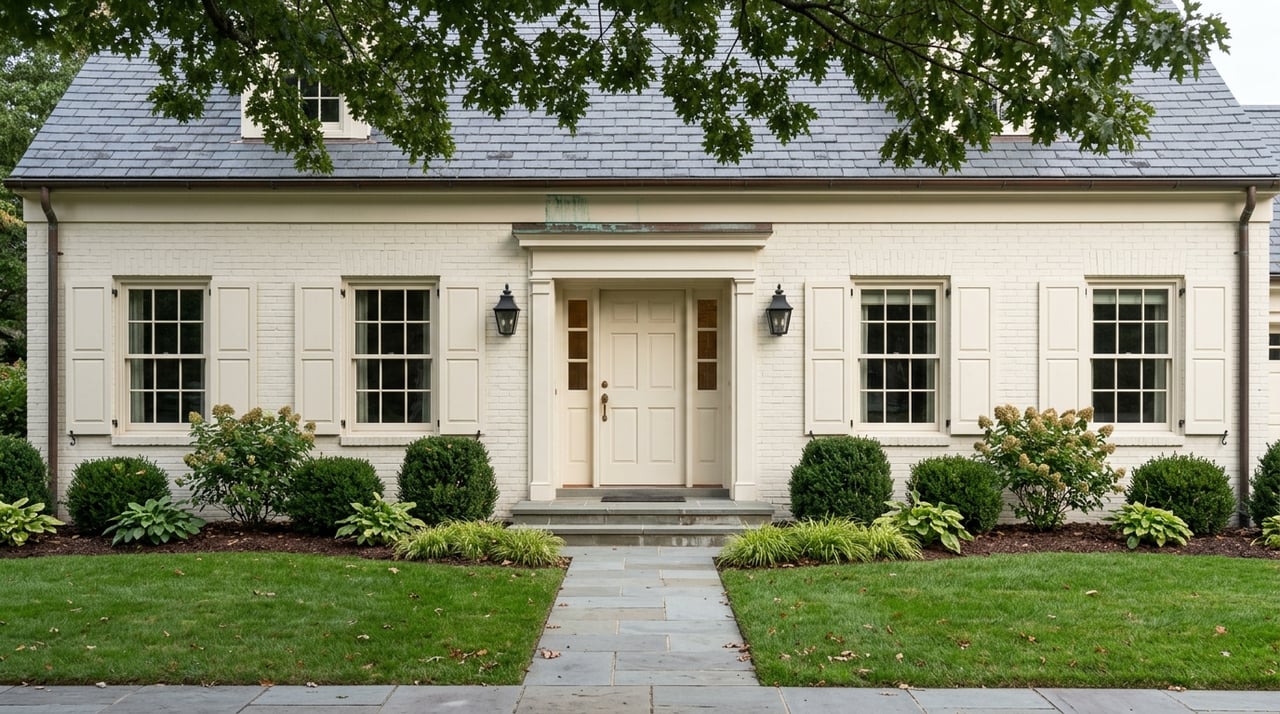
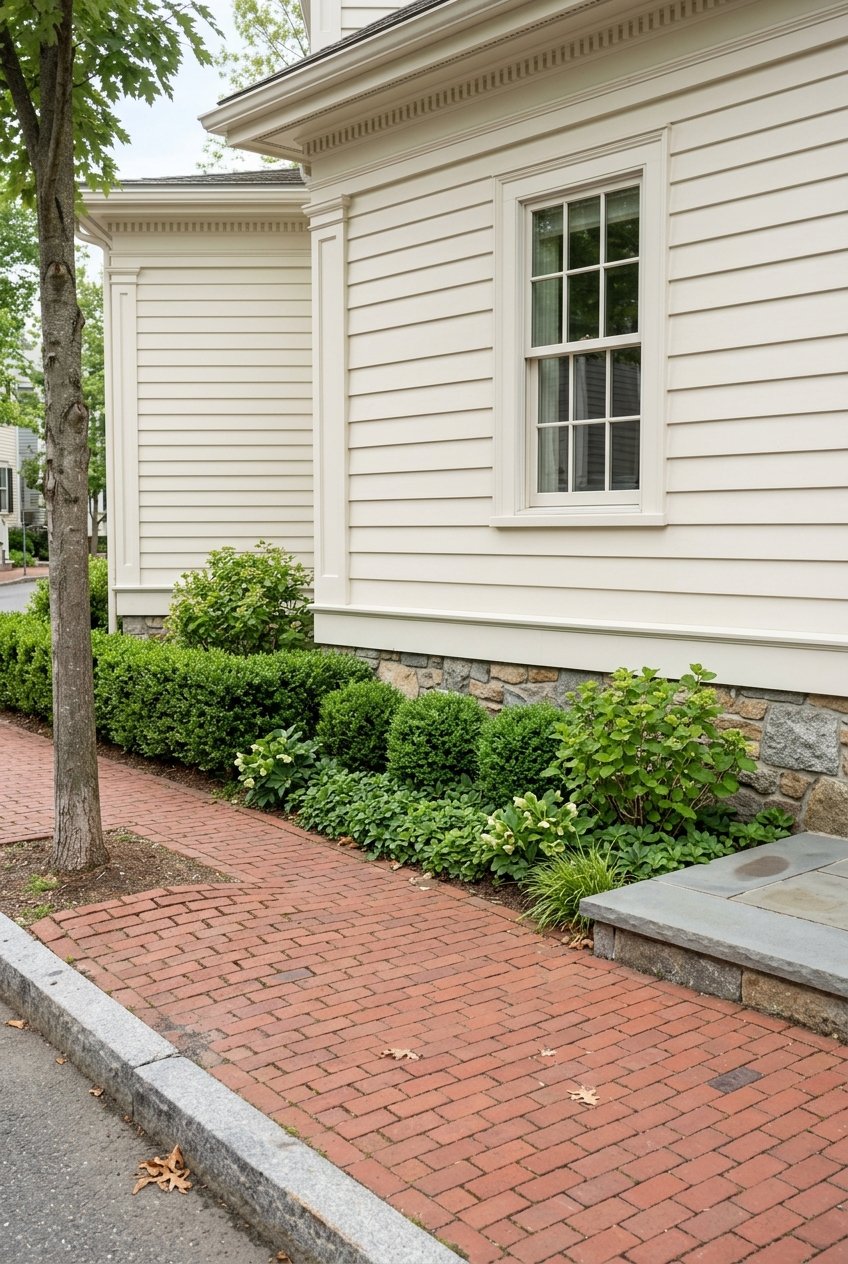
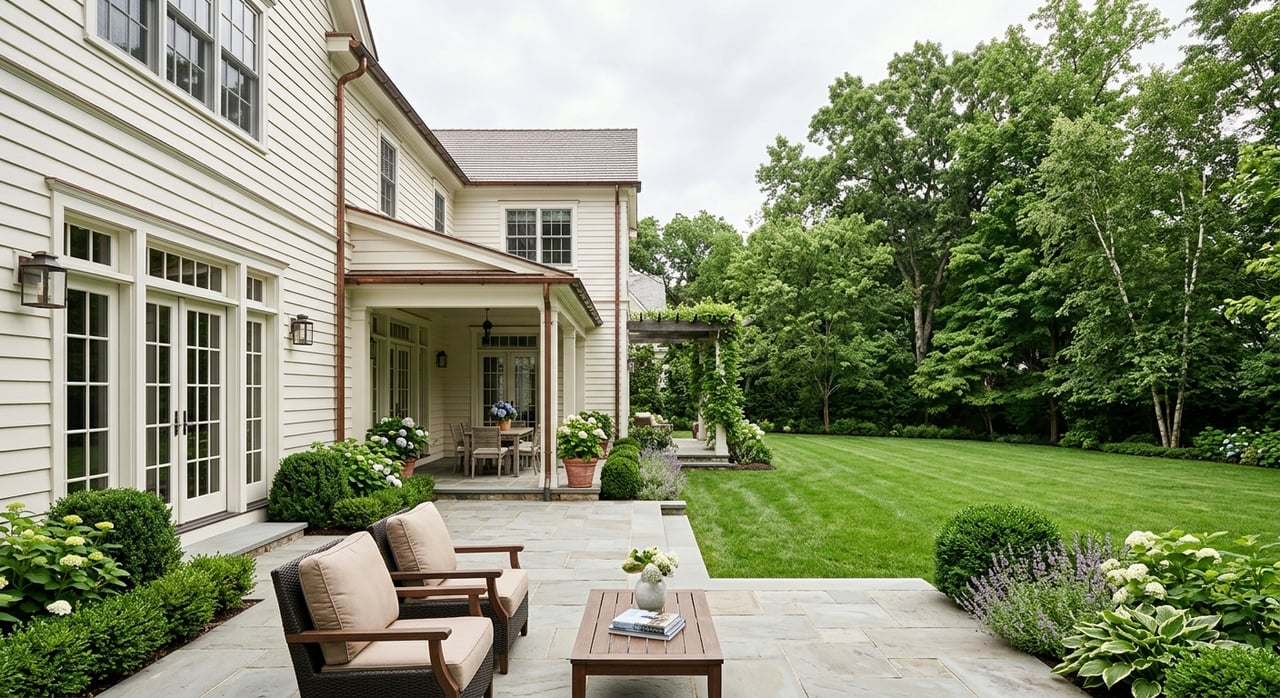
Just beyond the core, neighborhoods shift to single-family homes and townhomes on quiet, tree-lined streets. You’ll see Colonial and Cape Cod homes, Victorian and Federal-style properties, and mid-century to newer subdivisions. Yards, porches, and sidewalks make it easy to enjoy daily routines outdoors.
New development is limited compared with the older housing stock, though occasional infill and smaller projects do appear. Many buyers weigh classic architecture and character alongside updates and renovation potential.
Campus-adjacent areas include a mix of faculty residences, renovated historic properties, and high-end homes within a short walk of university amenities. If you value quick access to public lectures, performances, or libraries, these blocks can be a strong match.
Princeton has a long-standing pattern of strong demand and limited inventory. Competition is common on well-located properties, especially near downtown. Price tiers range from rental apartments and modest condos up to luxury historic homes and estates. For current median prices and days on market, check the latest local MLS data before you set expectations, since figures change quickly.
Princeton University anchors a vibrant cultural scene. Residents enjoy public lectures, concerts, and gallery shows at the university’s venues, including the Princeton University Art Museum. The McCarter Theatre Center brings regional theater, dance, and music to town, while the Morven Museum & Garden adds local history and art to the mix. Many residents highlight the access to big-city-caliber programming right in their backyard.
Nassau Street and Palmer Square offer a range of cafés, bakeries, and restaurants, along with independent boutiques and everyday essentials. You’ll also find specialty markets, small grocers, and larger supermarkets a short drive away. Seasonal farmers’ markets and community events help keep the calendar busy and connected.
If you like to be outside, Princeton delivers. The D&R Canal State Park towpath is a favorite for walking, running, and biking. Lake Carnegie and the university boathouse support rowing and open-water exercise, and local parks and woodlands like Herrontown Woods provide quick access to trails, birding, and quiet time in nature. Residents appreciate how easy it is to shift from downtown errands to a scenic trail in minutes.
Public schools are served by Princeton Public Schools, which include one high school, a middle school, and elementary schools. Families often research academic outcomes and programs through the district and the New Jersey Department of Education. Private day and boarding schools are available within a short drive, offering a range of educational models.
Early childhood care includes preschools, daycare centers, and some university-affiliated options. Demand can vary by neighborhood and time of year, so it’s wise to contact providers early if you have specific timelines.
Commuters to New York often use NJ Transit’s Northeast Corridor line from Princeton Junction. Typical train times to New York Penn Station are about 60 to 75 minutes depending on service. The Princeton Branch “Dinky” is a short rail shuttle that connects Princeton, near campus, to Princeton Junction. Many residents rely on this link to avoid driving and parking.
NJ Transit and private carriers offer regional bus connections, and local shuttles serve specific zones, including the Dinky connection. If you plan to live near downtown, you may not need a car for daily errands.
Proximity to I-95 and the New Jersey Turnpike, along with US-1, supports commuting to northern New Jersey and the Philadelphia area. Travel times vary with traffic and direction. Downtown parking exists, but it can be tight during peak periods, which is one reason many downtown residents choose to walk for errands and dining.
Princeton’s cost of living is higher than national averages, largely due to housing and New Jersey’s property taxes. You should expect values to rank among the higher tiers in Mercer County and the state. New Jersey’s property tax rates are among the highest nationally, and your bill depends on assessed value and local rates. Ask for the current tax bill or an estimate from the local tax assessor when you evaluate a property.
Household incomes are generally above the national median, reflecting employment tied to the university and regional professional hubs. For first-time buyers or those relocating from lower-cost regions, affordability planning is key. Strategies like pre-approval, clear must-haves vs. nice-to-haves, and readiness to act quickly on a good match can make a meaningful difference.
The area is served by Penn Medicine Princeton Medical Center for acute care and a range of specialties, with urgent care and specialists available in the region. Many residents cite proximity to healthcare as a quality-of-life benefit.
Princeton typically reports lower crime rates than many urban areas. For current statistics by category, review recent reports from local authorities. Municipal services include public works, sanitation, snow removal, and permitting. Responsiveness is generally good and varies by season and issue.
Utilities come from regional providers, and broadband service is available from major carriers with speeds that vary by address. If you work from home, confirm service levels at specific properties before making an offer.
Some low-lying areas and locations near the canal sit within floodplain zones. Review FEMA flood maps and discuss insurance requirements before you finalize a purchase, especially if a home sits near waterways or wetlands.
Princeton appeals to a wide mix of life stages. Families appreciate access to parks, programs, and a range of housing types. Young professionals and downsizers enjoy the walkable core and cultural calendar. Empty nesters value the combination of university life, regional rail, and a compact, manageable downtown.
The tradeoffs are real: higher housing costs, property taxes, limited inventory on certain blocks, and peak-time parking or traffic. If the lifestyle fits your priorities, many residents find those tradeoffs worthwhile for the daily convenience, culture, and greenery.
If Princeton sounds like a match, you do not have to navigate the market alone. Whether you’re buying, selling, or relocating, you deserve clear guidance, strong negotiation, and a plan tailored to your goals. Sellers can also leverage Compass Concierge for strategic improvements and professional staging without upfront costs, designed to elevate your final sale price. To get started, connect with Janet Stefandl for a local consultation that fits your timeline and priorities.
Stay up to date on the latest real estate trends.
Janet Stefandl's professionalism, calm demeanor, and unwavering support have earned her glowing testimonials and repeat business. With Janet, you’re choosing a dedicated advocate who is committed to making your real estate vision a reality.

100 OVERLOOK CTR FL 2 PRINCETON NJ 08540