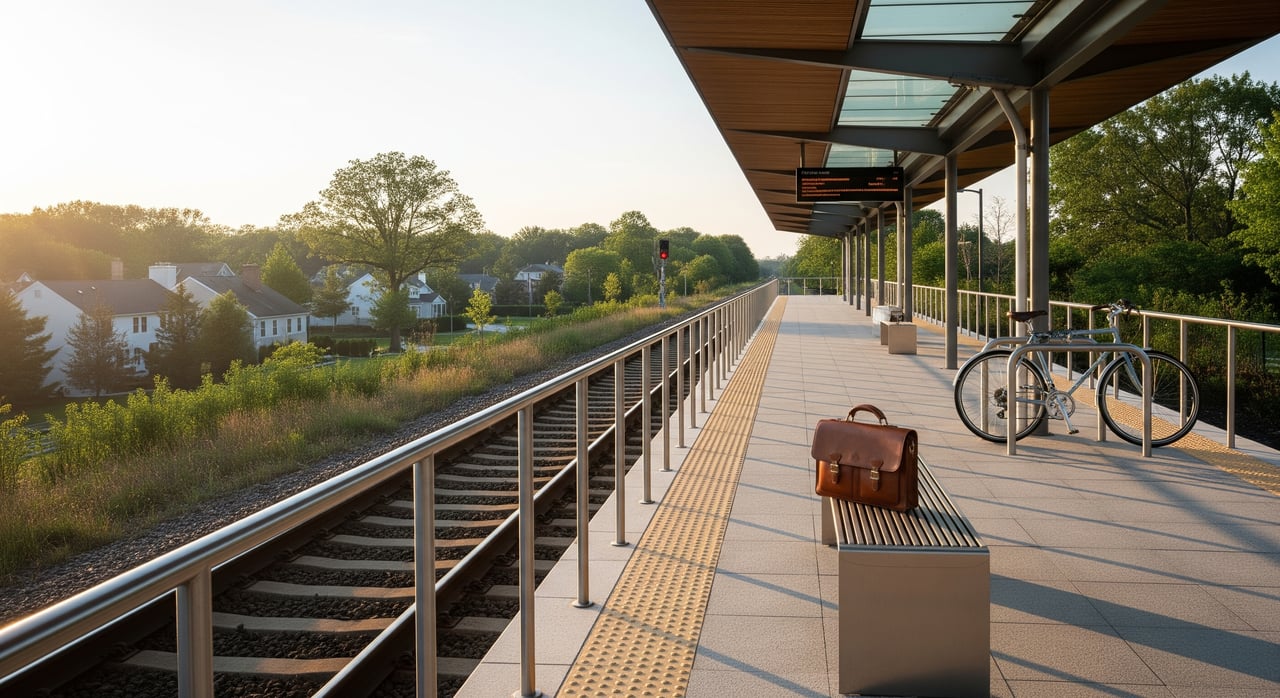
West Windsor Rail & Commute Guide
December 4, 2025
December 4, 2025
Thinking about a move to West Windsor and wondering how the daily commute will feel? You’re not alone. For many buyers, access to reliable rail service is a top priority, and Princeton Junction is a big reason West Windsor stands out. In this guide, you’ll learn how the station works, typical travel times to major job centers, parking options, first and last mile choices, and how to test your exact commute. Let’s dive in.
Princeton Junction is West Windsor’s primary rail hub on NJ Transit’s Northeast Corridor Line. It provides direct service toward New York Penn Station, Newark Penn Station, and Trenton, with connections at Newark and New York to other NJ Transit lines. At Trenton, you can connect to SEPTA for Philadelphia or use select Amtrak options, depending on schedules.
Service patterns include local, semi-express, and express trains. Express trains can shorten travel time to New York, especially during weekday peak hours. Schedules shift by time of day and season, so check current timetables before you plan a routine.
Amtrak trains operate along the Northeast Corridor, but only some stop at Princeton Junction. Stop patterns change, so confirm if a specific train serves the station on the day you plan to travel.
The station is ADA accessible with high-level platforms and elevator or ramp access. You can buy NJ Transit tickets through the mobile app or ticket machines. Monthly and multi-ride options are designed for frequent commuters. Real-time alerts are helpful, as weekend work and service adjustments can affect the NEC.
You can ride NJ Transit’s Northeast Corridor Line directly to New York Penn Station. Typical travel times range from about 1 hour on peak express trains to roughly 1 hour 20 minutes on locals or trains with extra stops. Weekday schedules are more frequent than weekends, and first and last train times vary by day.
Direct Northeast Corridor trains run to Newark Penn Station. Travel times generally range from 25 to 40 minutes, depending on the train and time of day. This route is common for downtown Newark and regional connections.
For Trenton, it is a short ride from Princeton Junction, often around 10 to 20 minutes. For Center City Philadelphia, transfer at Trenton to SEPTA’s Trenton Line. The Trenton to Philadelphia segment typically runs 60 to 75 minutes; allow 80 to 100 minutes or more door to door when you include transfer time.
For Princeton destinations, many residents drive or use local shuttles, depending on the time of day and location. If you rely on transit, check current feeder options to Princeton Station and local shuttle schedules.
If you work in Plainsboro, South Brunswick, or along Route 1, you may find driving most efficient, with some employers offering shuttle or vanpool options. Reverse commutes are common in this corridor. Ask your employer about commuter benefits that may offset transit or parking costs.
Princeton Junction offers a mix of permit lots, daily first-come-first-served spaces, short-term drop-off areas, ADA spaces, and bicycle parking. Some lots are administered by West Windsor Township, while others may be NJ Transit-managed. Permit programs often use waitlists, and closer lots may carry different fee tiers.
Weekday mornings can fill lots quickly, especially for daily parking. Arriving earlier increases your chances of finding a spot. If you’re relocating, apply for permits early and consider alternatives like carpooling, satellite park-and-ride locations, or rideshare for peak days.
Kiss-and-ride areas near entrances make drop-offs easy for occasional riders. Many commuters bike to the station using local routes and on-site racks or lockers. Accessible parking and station access routes are typically available; check current maps and elevator status if you rely on ADA access.
Rideshare and taxis offer flexible first and last mile connections, helpful when lots are full or for late returns. Some large employers run shuttles to and from the station. If you’re considering a job change, ask HR about any transportation programs.
Parking lots are monitored for permits and time limits, and rules are enforced. As with any commuter lot, keep valuables out of sight and lock your vehicle. Lighting and patrols vary by lot.
Your first and last mile can be a mix of walking, biking, local shuttle, or rideshare. Walkability varies by neighborhood, so test your route at the time you expect to travel. If you plan to bike, review local bike plans and identify safe, well-lit paths.
Use this simple checklist before you make an offer or finalize a rental:
If you want help matching neighborhoods to your commute, reach out for a personal orientation. Whether you plan to ride daily or split time with a hybrid schedule, a practical plan can make West Windsor living feel seamless. For tailored guidance and relocation support, connect with Janet Stefandl.
Stay up to date on the latest real estate trends.
Janet Stefandl's professionalism, calm demeanor, and unwavering support have earned her glowing testimonials and repeat business. With Janet, you’re choosing a dedicated advocate who is committed to making your real estate vision a reality.

100 OVERLOOK CTR FL 2 PRINCETON NJ 08540